How to Diagnose Low Water Pressure in UK Homes
How to Diagnose Low Water Pressure in Your Home
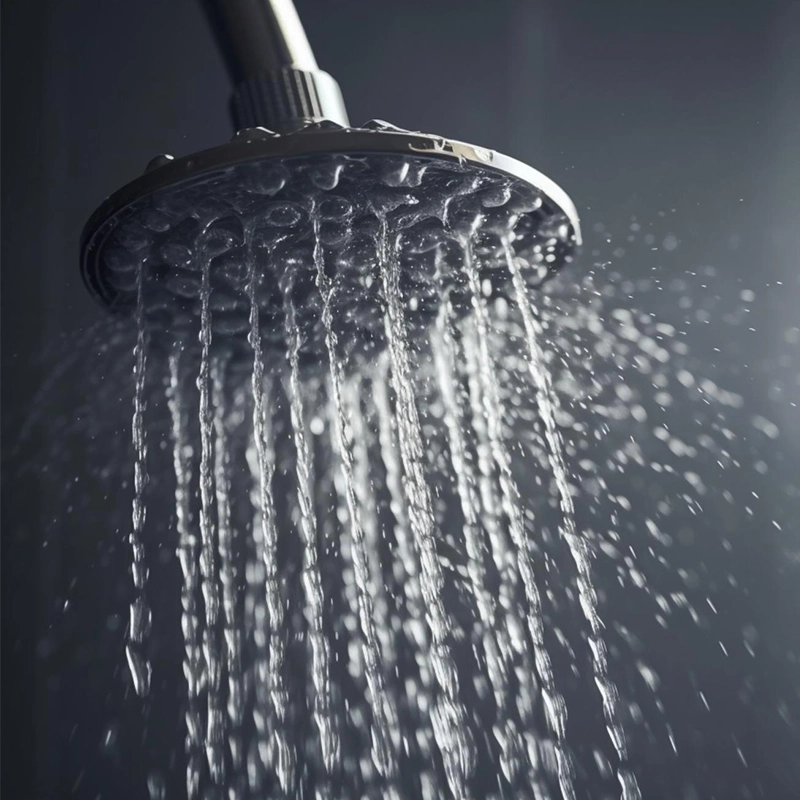
Low water pressure can cause weak showers, slow-filling appliances and poor flow from taps. Before buying a booster pump, check whether the problem is caused by a blocked outlet, an internal plumbing fault or the incoming mains supply.
What Are the Signs of Low Water Pressure?
Common signs include:
- Weak flow from taps or showers
- Washing machines and dishwashers filling slowly
- Poor pressure on upper floors
- Flow dropping when several outlets are used
- Pressure becoming worse during busy morning or evening periods
If only one tap or shower is affected, the problem is usually local. If every outlet has poor flow, the issue may be with your incoming supply or main pipework.
How Do You Test Water Pressure at Home?
Try the one-litre jug test
Place a one-litre measuring jug under the cold kitchen tap. Turn the tap fully on and time how long it takes to fill.
- Under 6 seconds: good flow
- 6 to 10 seconds: average flow
- Over 10 seconds: low flow that should be investigated
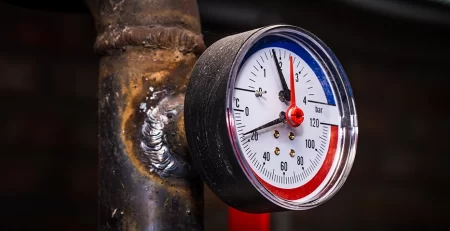
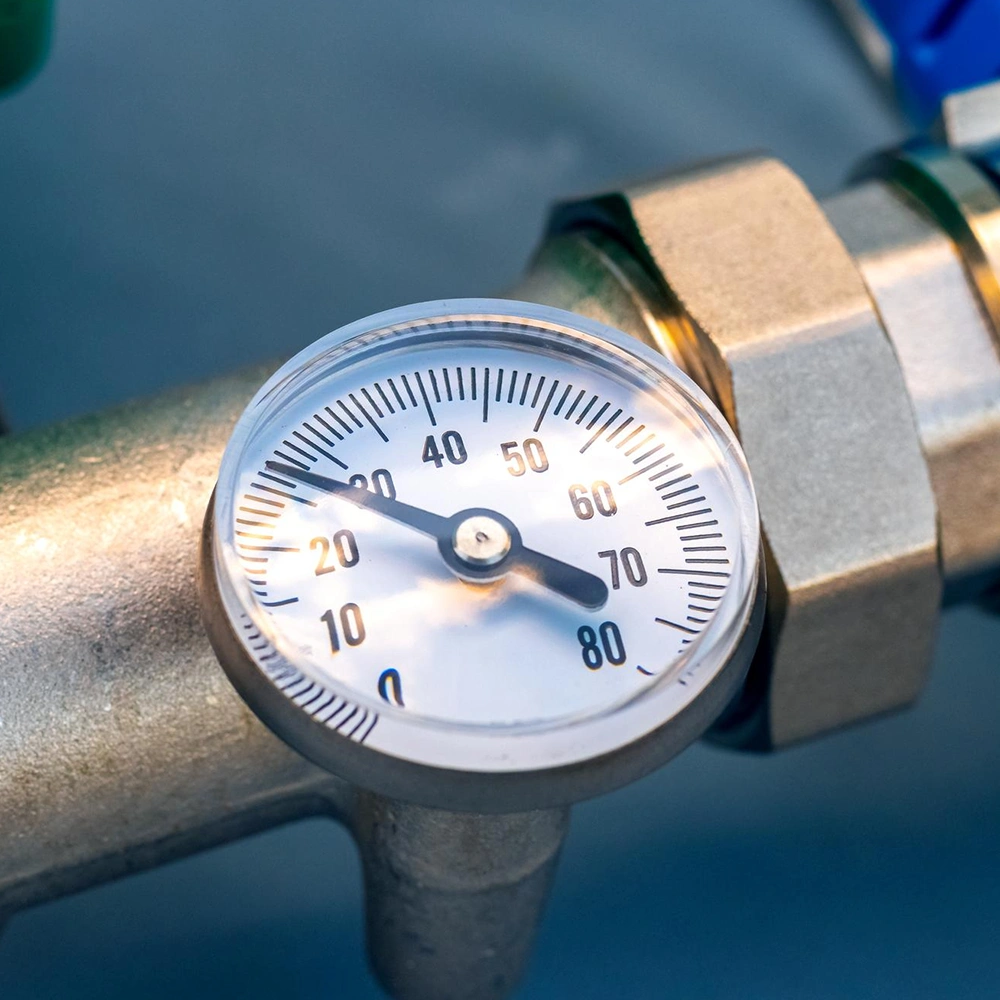
Use a pressure gauge
A pressure gauge can be attached to an outside tap or washing machine valve while all other outlets are closed.
- Below 1 bar: very low pressure
- 1 to 2 bar: low pressure
- 2 to 4 bar: normal to good pressure
- Above 4 bar: high pressure that may need regulating
You can also turn on several taps at once. If the flow drops sharply, your supply may not be able to meet your household’s peak demand.
What Causes Low Water Pressure?
A partially closed stopcock
Your internal stopcock controls the flow of water into your home. Check that it is fully open by turning it anti-clockwise. Do not force it if it feels stiff or corroded.
Limescale or blocked fittings
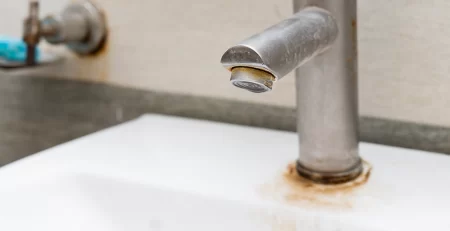
Limescale can restrict tap aerators and showerheads, especially in hard-water areas. Remove the affected fitting and soak it in white vinegar. If the flow improves when it is removed, a blockage is likely to be the cause.
A hidden leak
Leaks can reduce pressure and increase your water bill. Warning signs include damp patches, hissing sounds and a water meter that continues moving when all taps and appliances are turned off.
A faulty pressure-reducing valve
Some homes have a pressure-reducing valve near the incoming mains supply. If it fails or is set too low, pressure may be poor throughout the property. A qualified plumber should inspect or adjust it.
Old or narrow supply pipes
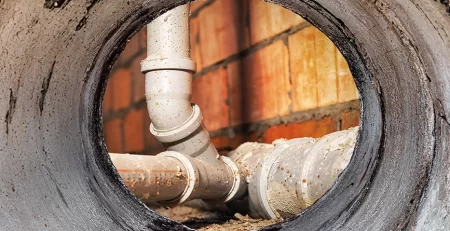
Older, corroded or narrow pipes can restrict the amount of water entering your home. This is more common in older properties and may require the incoming supply pipe to be replaced.
Property location
Homes on elevated ground, upper-floor flats and properties far from the water main may naturally receive lower pressure. Shared supply pipes can also cause pressure to fall when neighbouring homes use water.
Is the Problem Affecting One Outlet or the Whole House?
If only one outlet is affected
Check the tap aerator, showerhead, flexible hose, filter or tap cartridge. Cleaning or replacing a single component may restore normal flow.
If the whole house is affected
Check the stopcock, incoming mains supply, pressure-reducing valve, supply pipe and possible leaks. Testing the first outlet after the stopcock can help identify whether the problem is inside or outside the property.
What Should You Check Before Installing a Pump?
- Open the internal stopcock fully.
- Clean tap aerators and showerheads.
- Check filters for debris.
- Look for visible or hidden leaks.
- Ask neighbours whether they have the same problem.
- Contact your water supplier if the incoming supply appears inadequate.
A booster pump should only be considered after simple faults and supply problems have been ruled out.
When Will a Water Pressure Booster Pump Help?
A booster pump may be suitable when:
- Your water company confirms that the boundary supply is adequate
- Pressure remains poor inside the property
- Your home is on elevated ground
- The property has a long incoming supply pipe
- Several taps or showers need improved pressure
- Pressure drops when multiple outlets are used
A pump will not fix a major leak, severely restricted pipework or an inadequate incoming water supply. These problems must be corrected first.
Which Type of Booster Pump Do You Need?
Mains booster system with a break tank
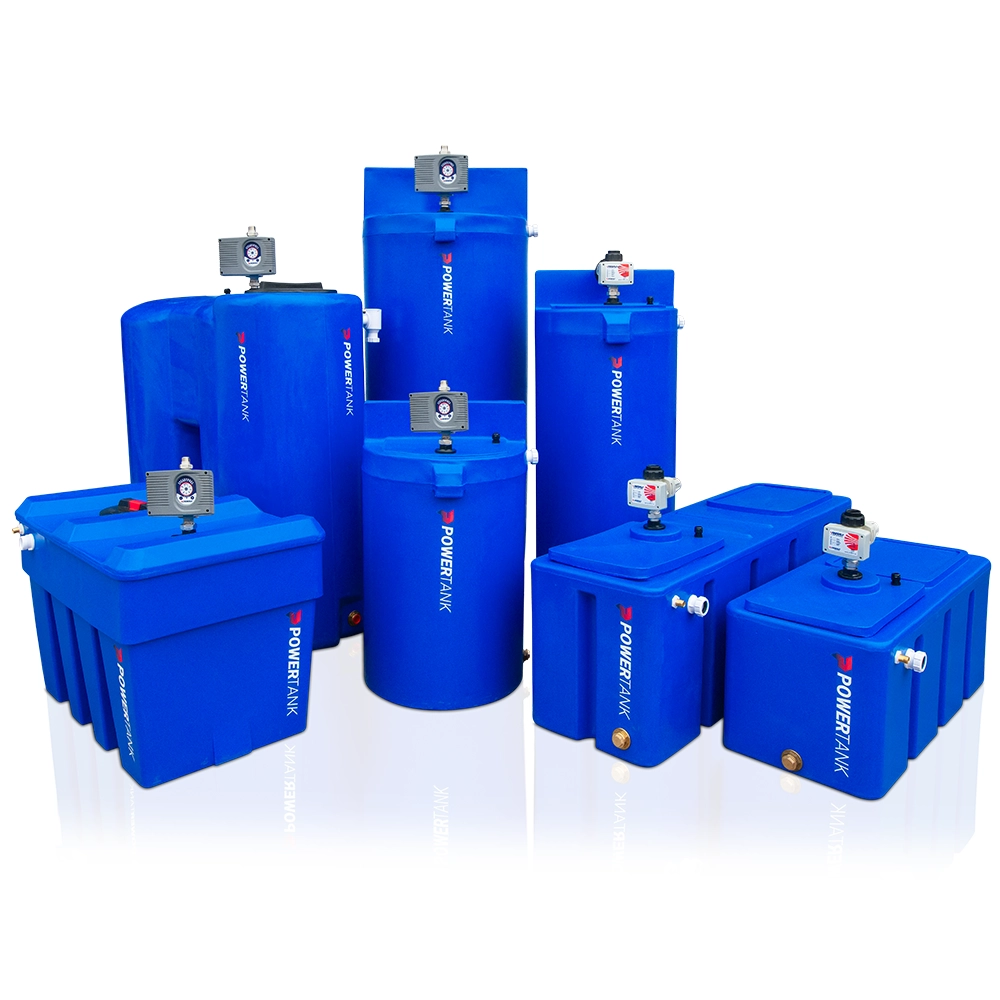
Whole-house mains boosting systems use a break tank to store incoming water before a pump pressurises the supply. Pump Express Powertank units combine the tank and pump in one system and are available for properties with combi boilers, unvented cylinders and air source heat pumps.
Shower pump
Shower pumps are designed for gravity-fed systems with a cold-water tank and hot-water cylinder. They are not suitable for direct connection to the mains or use with combi boilers.
Single-outlet booster
A compact booster may be suitable when poor flow affects only one tap, shower or appliance.
Can a Booster Pump Work With a Combi Boiler?
Yes, but it must be a suitable mains-boosting system. Traditional shower pumps are designed for gravity-fed systems and must not be connected to a combi boiler.
What Is the Minimum Water Pressure for a UK Home?
UK water suppliers are generally expected to provide at least 1 bar of static pressure at the property boundary. Contact your supplier if your pressure consistently falls below this level.
Need Help Choosing a Water Pressure Booster?
Start by testing your flow, checking for blockages and leaks, and confirming whether the issue affects one outlet or the whole property.
When a booster pump is the correct solution, Pump Express can help you choose a system that suits your property, plumbing system and household water demand.
Contact Pump Express for expert advice on shower pumps, mains boosters and whole-house water pressure solutions.